A. Assess Child’s best learning methods (i.e. physical workbooks, experimenting, reading, videos, etc)
B. Take note of your child’s interests and passions and build them into their plan. It all counts toward learning.
C. Assess Your Monitoring Needs and your budget – how hands off or hands on can you be; how often will you check work or child’s progress; do you want to have an all-in-one curriculum that notifies you of child’s completed work and progress automatically w/ emails; do you want to ‘walk with your child in learning’ – explore museums, historic sites and nature together?
D. Put together a sketch of a plan that will address state requirements for the required subject areas (English, Math, Social Studies, Science, Art, Music, Health and Physical Education). The older your child is, the more helpful and important it will be to include them in the planning. They will be more motivated to work in a program that they have helped choose.
E. Decide if you will report your child’s work directly to your city or county educational jurisdiction or if you will join an umbrella group for legal oversight, reporting and compliance for your homeschool.
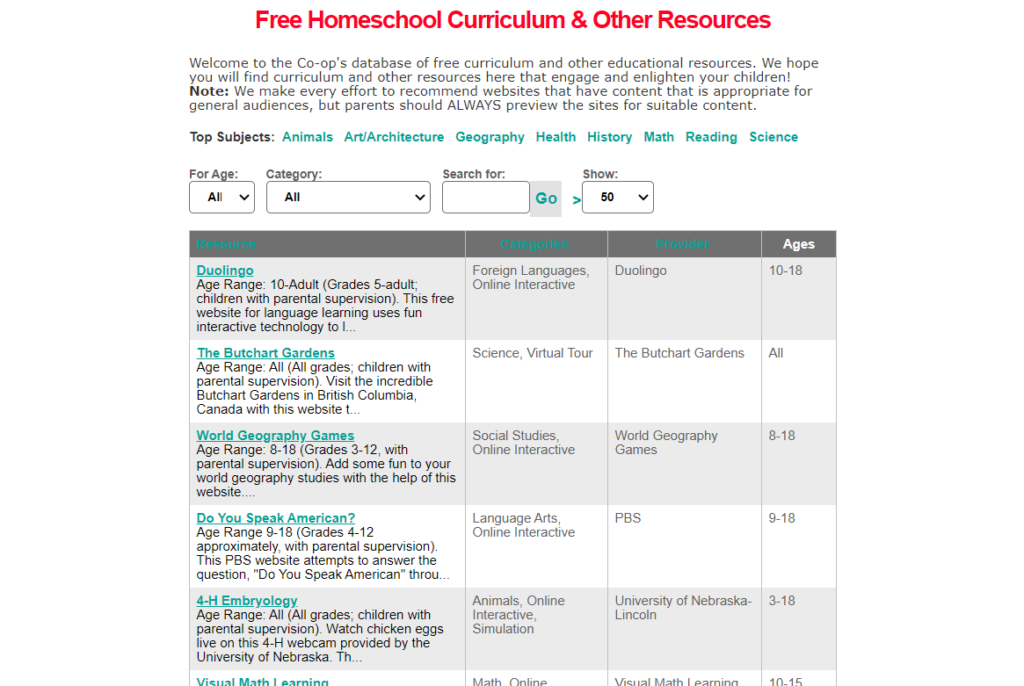
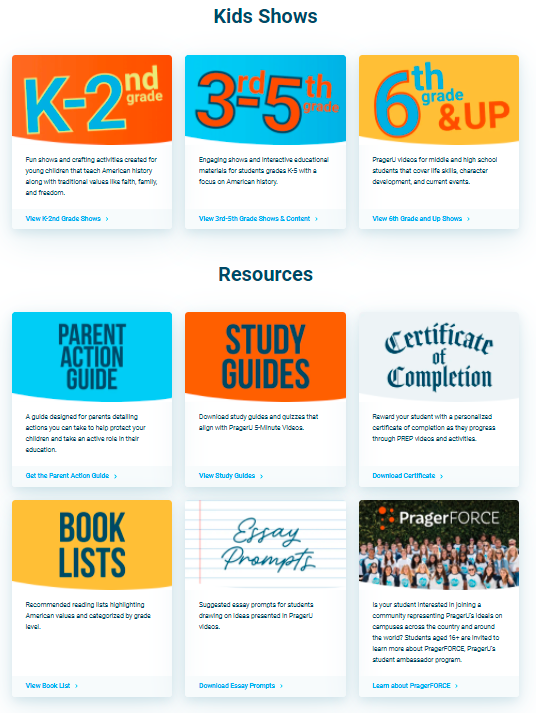
F. Explore curriculum options, ask for input from experienced homeschoolers and put together your plan.
G. Create your “Homeschool Space,” Get your curriculum, materials, and memberships, pick a date to start and help your child get started for at least the first week or two. Like learning to ride a bicycle, support and guidance in the early stages goes a long way towards your child’s success in homeschooling.